
Sewage Smell in Minster
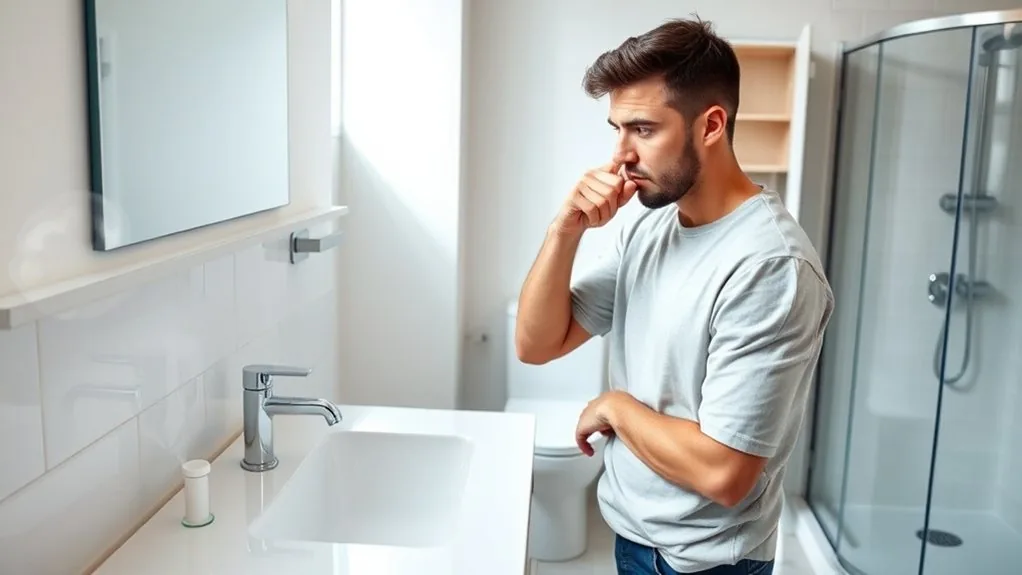
Noticing a sewage smell in your home often indicates sewer gases escaping through a dry trap, cracked pipe, loose seal, or blocked vent.
It’s important to ventilate the area and avoid flames or smoking while checking for leaks or refilling traps.
If the smell continues, contact us for a fast quote or emergency callout in Minster.
Although people often describe it simply as a “rotten egg” or “musty” odor, a sewage smell is typically a mixture of gases released from decomposing organic waste and wastewater, most especially hydrogen sulfide and methane. In your home, these gases escape when the sewage system isn’t fully sealed or vented as designed.
You notice sewage smells through deliberate odor identification: a sharp, sulfurous scent, sometimes mixed with ammonia or a damp, earthy note. These aren’t just unpleasant; at higher concentrations they’re corrosive, can irritate your eyes and airways, and, in poorly ventilated spaces, may even become explosive.
Understanding what sewage smells are helps you distinguish them from minor household odors and respond quickly by inspecting drains, vents, and traps.
When you notice a persistent rotten odor indoors—especially one that’s stronger near sinks, tubs, floor drains, or toilets—it’s a key indicator that sewage gases may be entering your living space. If the smell intensifies whenever you run water and you also hear gurgling or see slow drains, your plumbing venting or drainage system is likely compromised. Recognizing these patterns early lets you act quickly to protect indoor air quality and prevent more serious structural or health hazards.
If a sour, rotten, or “bad egg” odor keeps lingering in your home, it’s a strong warning sign that sewage gases may be entering your living space instead of staying sealed inside the plumbing system. This isn’t just unpleasant; it directly impacts indoor air quality and can expose you to hydrogen sulfide, methane, and other hazardous compounds.
Don’t rely on odor masking with candles, air fresheners, or scented cleaners. If the smell persists for more than a day or two, treat it as a safety issue. Document when and where you notice it, increase ventilation, and avoid open flames or smoking. Then contact a licensed plumber to inspect traps, vents, and connections, identify the leak path, and restore a sealed, sanitary system.
Persistent rotten odors become even more concerning once you notice they’re strongest near sinks, tubs, showers, floor drains, or the toilet base. That pattern means the smell likely originates within the drain system, not from general household air or surface spills.
You should suspect dry P‑traps, biofilm buildup, partial blockages, or compromised wax rings at a toilet. When odor intensifies as you place your nose closer to the drain opening, it’s a strong indicator that targeted drain cleaning and inspection are needed for effective odor prevention.
Check that every rarely used fixture has water in its trap, look for visible leaks, and avoid using harsh chemicals that can damage piping. If smells persist despite basic cleaning and flushing traps, call a licensed plumber.
Although occasional whiffs can be misleading, a sewage odor that reliably intensifies right after you run water—flush a toilet, drain a tub, use the washing machine, or run a sink—often points to a drain or venting problem rather than a simple surface spill. Each water event changes pressure inside the plumbing system; if vents are blocked or traps are dry, sewer gas is pushed into your living space instead of out the roof vent.
Watch for odor spikes coinciding with heavy use periods, like laundry cycles or back‑to‑back showers; that pattern suggests developing water backup or partially obstructed lines. Don’t rely on odor masking sprays. Instead, inspect visible traps, restore water in seldom‑used fixtures, and schedule a licensed plumber to evaluate venting and main-line integrity.
Sewage odors that flare up after you run water often come with other warning signs, and gurgling sounds or slow drains are among the most important. Gurgling indicates air trapped in partially blocked pipes or a stressed vent system; slow drains suggest developing obstructions that can push sewer gas back into your home.
| Sign | What It Usually Means |
|---|---|
| Gurgling after flushing | Vent blockage or partial main line clog |
| Sink drains slowly | Local pipe buildup restricting flow |
| Multiple slow fixtures | Main sewer line restriction |
| Gurgle plus odor | Sewer gas escaping through water seal |
| Odor outdoors, too | Possible break in exterior sewer line |
Prompt Drainage maintenance and targeted Odor control—snaking, vent inspection, trap refilling, and, if needed, professional camera inspection—reduce health risks and prevent backups.
When your home suddenly smells like sewage, the cause usually traces back to a handful of plumbing failures that let sewer gases escape into living spaces. Those gases don’t just offend your nose; they can affect indoor air quality, irritate airways, and even impact houseplants health over time. Most problems start in a few predictable places:
When you call us to deal with sewage smells in your Minster property, we start with a precise diagnosis that often includes CCTV inspection to locate defects or blockages without invasive work. Depending on what we find, we’ll use high-pressure jetting, rodding, or mechanical clearance to restore safe flow and remove odorous buildup. If the pipework is damaged, we’ll advise whether a targeted repair or trenchless relining is the safest, most reliable long-term solution.
Although the smell itself is the first thing you notice, the real priority is pinpointing its exact source using a systematic, non-destructive approach. You don’t want guesswork, broken tiles, or unnecessary excavation, so the first step is a structured diagnosis focused on safety and reliable odor control.
A trained engineer will trace the smell, test traps and vents, and check external inspection chambers. If the route isn’t obvious, they’ll use CCTV inspection: a high‑resolution camera is fed through your pipework to inspect joints, gradients, and potential blockages in real time. This identifies cracks, root ingress, or standing effluent that compromise pipeline maintenance. You receive a clear report, recorded footage, and a targeted plan to remove the smell at its source.
Once CCTV has shown where the problem sits in your drains, high‑pressure water jetting is often the fastest, safest way to clear it and stop sewage smells spreading through your home. A specialist will feed a reinforced hose into your pipework and deliver water at carefully controlled pressure to break down fat, scale, and soft roots without damaging the pipe.
Modern jetting techniques use different nozzle heads to cut through blockages, scour pipe walls, and flush debris to a safe discharge point. This improves sewer maintenance by restoring full bore flow and reducing future odour risk. You shouldn’t attempt DIY jetting; incorrect pressure or nozzle use can cause backflow, injury, or pipe failure. Trained engineers work to strict safety and environmental standards.
Even before high‑pressure jetting’s an option, stubborn sewage smells in Minster homes are often traced and tackled using rodding and other mechanical clearance tools. Engineers feed flexible rods through access points, breaking up sludge, wipes, and scale that trap foul gases and compromise drain maintenance.
| What you might see | What’s happening inside the pipe |
|---|---|
| Rods entering an outside gully | Localised blockage being disrupted |
| Coiled spring head on a rod | Roots, grease, or wipes being pierced |
| Steady, controlled rotation | Deposits scoured from pipe walls |
Rodding’s low‑water, highly targeted, and ideal where older pipes or ventilation issues make aggressive methods risky. Professionals wear PPE, gas‑monitor where needed, and test flow afterwards to confirm odours can vent correctly and drains run freely.
Rodding and mechanical clearance restore flow in many Minster homes, but persistent sewage smells or repeat blockages often signal underlying damage that cleaning alone won’t fix. When we investigate, we’re looking for cracked pipes, displaced joints, or root ingress made worse by environmental factors such as soil movement or heavy rain.
If CCTV inspection shows localised defects, we may recommend patch repair. For widespread damage, structural relining creates a new watertight pipe inside the old one, sealing leaks that let odours escape. Unlike DIY remedies, professional repair or relining addresses the actual failure points and reduces health risks from sewage exposure. We’ll clearly explain options, risks, and expected lifespan so you can choose a safe, long‑term solution for your property.
Although sewage odours can escalate quickly into serious health and structural risks, you’re never far from rapid assistance with our fast-response service across Minster. You get a 24/7 call-out covering urban sanitation challenges in towns, suburbs, and rural properties, so gases, backflows, and leaks are contained before they spread.
Engineers are dispatched with equipment for CCTV drain surveys, tracer smoke, and manhole diagnostics, allowing faults to be located and stabilised on arrival. Where possible, they’ll implement eco friendly solutions, such as targeted jetting, enzyme dosing, and trenchless patch repairs that minimise disruption and waste.
You’re kept informed of findings, risks, and immediate control measures, so ventilation, isolation, and temporary flow management are in place until permanent work’s completed.
Because responsibility for sewage smells depends on where the fault lies in the system, the first step is to distinguish between private and public drainage. You’re generally responsible for pipework, traps, and appliances within your property boundary, including internal stacks and any private sewer serving only your home. Failures here—such as dry traps or cracked pipes—are your duty to fix, because they directly affect indoor air quality and safety.
Once a pipe becomes a shared sewer or leaves your boundary, responsibility usually passes to the water company or local authority. They must deal with collapses, blockages, or surcharging in public sewers. Your landlord or managing agent is typically responsible for structural drainage and ensuring adequate plumbing maintenance in rented or managed properties.
Even when you’ve dealt with an immediate sewage smell, preventing it from returning means setting up simple but consistent maintenance habits and safety checks. Your goal is to keep wastewater moving freely, traps sealed with water, and gases safely vented outdoors.
1. Inspect and test:
Schedule preventative maintenance for your drains and sewage lines. Check traps for water, look for corrosion or cracks, and test seldom‑used fixtures monthly by running water.
2. Protect the pipework:
Avoid flushing wipes, fats, oils, or chemicals that corrode or clog pipes. Install strainers on sinks and showers to capture hair and debris.
3. Improve air movement:
Plan ventilation improvements in bathrooms, kitchens, and basements. Use extractor fans, check roof vents aren’t blocked, and maintain adequate make‑up air.
When sewage odours appear in your Minster property, you need specialists who treat them as both a hygiene risk and a system‑performance problem. You get engineers who understand trap seal dynamics, vent stack behaviour, and drainage hydraulics, not just surface cleaning.
We start with targeted diagnostics: dye testing, trap‑seal checks, CCTV drain surveys, and smoke testing where required. That lets us pinpoint the fault, then apply durable odor mitigation rather than masking smells.
Health and safety drive every decision. We assess exposure risks, gas accumulation potential, and structural impacts before specifying repairs. From minor trap corrections to full stack upgrades, we design compliant, long‑term ventilation solutions and drainage fixes, ensuring your system operates safely, efficiently, and without recurring sewage odours.
You probably want clear answers on how fast we can respond to sewage smells in Minster, what it’s likely to cost, whether you can safely attempt any checks yourself, and if your area is covered. In this section, you’ll see concise, safety-first guidance on each of these common questions so you can act quickly and avoid further damage. Use these FAQs to decide what you can do immediately and when it’s essential to call in a qualified engineer.
How fast can a sewage smell be dealt with in a Minster property depends on how quickly it’s reported and the severity of the underlying fault. If you call a specialist as soon as you notice the odour, emergency attendance is often possible the same day, with straightforward issues (like a dried trap) resolved within an hour.
More complex faults—collapsed drains, root intrusion, or blocked vent stacks—typically need CCTV drain surveys and can take 1–3 days to fully rectify. While you’re waiting, improve home ventilation by opening windows and using mechanical extract fans. Air purifiers with activated carbon filters can temporarily reduce odours but don’t fix the source. Always avoid using affected plumbing fixtures until a professional has inspected the system.
Costs to investigate and eliminate sewage smells in a Minster property vary widely, typically ranging from a modest call‑out fee for simple fixes to several hundred pounds for complex drain repairs. Your actual spend depends on access, property size, and whether there’s structural pipe damage. A focused cost analysis helps you understand what you’re paying for and prioritise urgent safety issues.
| Service / Scenario | Typical Cost Range (Minster) |
|---|---|
| Basic inspection & call‑out | £60 – £120 |
| CCTV survey of drains | £150 – £300 |
| Localised blockage clearance | £90 – £250 |
| Pipe repair / section replacement | £250 – £900+ |
Professional odor mitigation isn’t just about smell; it’s about preventing pathogen exposure, damp, and long‑term fabric damage to your home.
Often the first question is whether it’s safe and sensible to tackle a sewage smell yourself before calling a professional. In many minor cases, yes—provided you follow strict safety precautions. Basic DIY tips include topping up dried‑out traps (run water in little‑used sinks, baths, showers), refilling toilet cisterns, and checking that traps aren’t loose or cross‑threaded under basins.
You can also visually inspect accessible pipe joints, gully grates, and external vents for obvious cracks, blockages, or missing caps, without dismantling anything structural. Always wear gloves, eye protection, and a mask if you’re near foul odours, and wash thoroughly afterwards.
Stop DIY immediately if you notice sewage backing up, recurring smells after simple checks, structural damage, or if you suspect a blocked or collapsed drain.
Wondering whether your part of Minster’s included in our call‑out area is important before you plan any next steps. We provide Minster services across all major towns and many rural locations, including Ashford, Maidstone, Canterbury, Medway, Tonbridge, Tunbridge Wells, Dartford, Gravesend, and surrounding villages. If you’re unsure, you can give your postcode, and we’ll confirm coverage immediately.
Because sewage smells often indicate a system fault, you shouldn’t delay while checking availability. Our local expertise means we recognize Minster’s mixed drainage infrastructure—combined sewers, older clay pipes, and newer PVC systems—so we can deploy the right equipment and methods safely. If you’re just outside our usual area, we’ll either attend by arrangement or refer you to a trusted, vetted contractor.
Yes, sewage smells can affect your health and may cause long-term respiratory problems if you are exposed for a long time. These smells come from gases and microbes that lower indoor air quality and can irritate your airways, making conditions like asthma worse. You should ventilate the area, avoid spending time in strongly affected rooms, fix any plumbing or vent issues quickly, and seek a professional inspection if the odours continue or if you experience symptoms.
Sewage odours are not normal but can occur in new-build homes with modern plumbing systems. They may result from dry traps, poorly vented stacks, misaligned seals, or construction debris in pipes. You should check that all traps contain water, inspect toilets and floor drains for leaks, and ensure roof vents are not blocked. If the odour persists, a licensed plumber should carry out a smoke test and pressure test on the drains.
Yes, pets and wildlife can damage pipes and cause sewage smells indoors. Wildlife such as rodents and raccoons may crack or dislodge external pipes, while pets can disturb vent covers or cleanouts. It is important to inspect exposed pipes and vents, seal entry points, install rodent-proof grilles, and contact a licensed plumber for a camera inspection and repairs.
Home insurance will sometimes cover repairs related to sewage odour problems, but many are not insured. Standard policies typically cover sudden, accidental discharge, while slow leaks, neglect, or pre-existing issues are usually excluded. To protect yourself, document the damage with photos, obtain a plumber’s report, and review your policy; ask your insurer about endorsements for sewer backup. Prioritise safety by avoiding contact with wastewater, ventilating the area, shutting off affected plumbing, and arranging a prompt professional assessment.
You can safely inspect drains without specialist tools by observing visible signs, smells, and sounds. Wear gloves and eye protection, and ensure the area is well ventilated before starting the inspection. Remove drain covers, use a torch to look inside for standing water, blockages, or corrosion, then run water to check flow and listen for unusual noises such as gurgling. Limit any DIY cleaning to gentle plunging or using enzyme-based products.
How quickly you act on a sewage smell can protect both your health and your home. Persistent odours often indicate issues beyond simple drain residue, such as compromised traps, venting defects, or septic and Sewage treatment faults. Leaving these unchecked can allow harmful gases and moisture to accumulate.
First, ventilate affected areas and keep people, especially children and those with respiratory issues, away from the strongest smells. Don’t use open flames or cigarettes near suspected sewer gas.
Next, schedule a professional inspection. A specialist will test traps, vents, and pipework, and, where relevant, assess external Sewage treatment systems. Ongoing Plumbing maintenance—regular inspections, cleaning, and timely repairs—prevents minor defects from becoming structural or health hazards, restoring safe, odour‑free conditions quickly.